Νομός Καστοριάς - Live Ενημέρωση Χ.Κ. Βιτσίου
Πρωτεύουσα: Καστοριά Καστοριά, Άργος Ορεστικό, Βίτσι, Δισπηλιό, Επταχώρι, Κλεισούρα, Νεστόριο.
Η Καστοριά είναι ένας από του 13 νομούς της Μακεδονίας. Βρίσκεται στις ΒΔ παρυφές της Δ. Μακεδονίας, και συνορεύει με την Αλβανία και τους νομούς Φλώρινας, Κοζάνης, Γρεβενών και
Η περιοχή, με τις ανεξάντλητες φυσικές καλλονές, την πλούσια ιστορία που χάνεται στα βάθη των αιώνων, τους παραδοσιακούς οικισμούς, τα επιβλητικά αρχοντικά, τους αρχαιολογικούς χώρους, τα ιστορικά μνημεία και τις μεσαιωνικές και βυζαντινές εκκλησίες, συγκεντρώνει τα βλέμματα πολλών επισκεπτών, ιδίως τους χειμερινούς μήνες.
Κύρια πλουτοπαραγωγική πηγή του νομού είναι η βιοτεχνία και οικοτεχνία γουναρικών, ιδιαίτερα στην πόλη της Καστοριάς. Εδώ, η επεξεργασία των γουναρικών έχει παράδοση 500 περίπου χρόνων.
LIVE ΕΝΗΜΕΡΩΣΗ ΤΟΥ ΧΙΟΝΟΔΡΟΜΙΚΟΥ ΚΕΝΤΡΟΥ ΒΙΤΣΙΟΥ
Booking.com
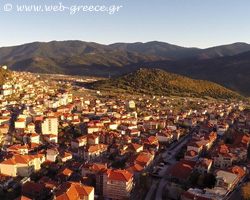
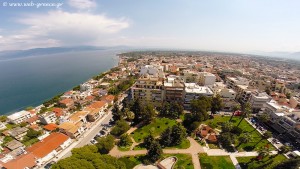
Η πόλη της Καστοριάς και πρωτεύουσα του νομού είναι μία από τις ωραιότερες πόλεις της Ελλάδας. Χτισμένη αμφιθεατρικά στις όχθες μιας ειδυλλιακής λίμνης, της λίμνης της Ορεστιάδας, γοητεύει κάθε επισκέπτη με τη γραφικότητά της. Περιπλανηθείτε στους δρόμους και στα πλακόστρωτα σοκάκια της πόλης, κάντε το γύρο της λίμνης με καραβάκι και αφεθείτε στη γραφικότητα και τη γοητεία του τοπίου. Μην παραλείψετε να επισκεφθείτε το Σπήλαιο Δράκου , κοντά στη λίμνη, με μήκος διαδρομών 500 μέτρα και πλούσιο διάκοσμο από σταλακτίτες και σταλαγμίτες, στο οποίο βρέθηκαν απολιθωμένα λείψανα της άρκτου των σπηλαίων.
Τα ονομαστά αρχοντικά της Καστοριάς με τη χαρακτηριστική μεταβυζαντινή αρχιτεκτονική της εποχής της τουρκοκρατίας είναι δείγματα της οικονομικής άνθησης που γνώρισε η πόλη από το 18ο αιώνα χάρη στη βιοτεχνική και εμπορική δραστηριότητα των ντόπιων γουναράδων. Η εντυπωσιακή εσωτερική διακόσμηση και η πρωτότυπη βορειοελλαδική αρχιτεκτονική τους τα καθιστούν ένα μοναδικό παραδοσιακό μνημείο, μεγάλου τουριστικού ενδιαφέροντος.
Τη σύγχρονη πόλη της Καστοριάς κοσμούν βυζαντινά τείχη και πολλές εκκλησίες της εποχής. Επισκεφθείτε τους ναούς της Παναγίας Τσόντου Βάρδα, του Ταξιάρχη Μητροπόλεως, των Αγίων Τριών, του Αγίου Νικολάου Μεγαλειού και την Παναγία Κουμπελίδικη με εκπληκτικές τοιχογραφίες. Το μοναστήρι της Μαυριώτισσας, κτίσμα του 12 ου αιώνα, είναι τοιχογραφημένο και εξωτερικά όπως συνηθίζεται στη βόρεια Ελλάδα, ενώ οι Τούρκοι έχουν αφαιρέσει τα μάτια από τις αγιογραφίες. Το ξωκλήσι του Άη Νικόλα του Κρεμαστού είναι χτισμένο μέσα σε μία φυσική σπηλιά που δημιουργούν οι βράχοι των βουνών, και έχει ιδιαίτερη πολιτιστική και θρησκευτική αξία.
Επισκεφθείτε το Λαογραφικό Μουσείο που στεγάζεται στο αρχοντικό του Νεράντζη Αιβάζη, στον οικισμό Ντολτσό, το Βυζαντινό Μουσείο, όπου εκθέτονται κυρίως βυζαντινές φορητές εικόνες από τον 12ο έως και τον 17ο αιώνα, το Μουσείο Μακεδονικού Αγώνα, και το Μουσείο Ενδυματολογίας που στεγάζεται στο αρχοντικό των Αφών Εμμανουήλ και διαθέτει μία σημαντική συλλογή από παραδοσιακές τοπικές ενδυμασίες.
Σε απόσταση 7 χιλιομέτρων από την Καστοριά βρίσκεται το Δισπηλιό , όπου ανακαλύφθηκε ο πρώτος λιμναίος οικισμός του 5000 π.Χ. και όπου δημιουργήθηκε το πρώτο ελληνικό Οικομουσείο. Το απολιθωμένο δάσος του Νόστιμου, ηλικίας 20 εκατομμυρίων χρόνων, αποτελεί ένα μοναδικό γεωλογικό μνημείο. Ανάμεσα στους πρόποδες του Γράμμου και τις όχθες του Αλιάκμονα είναι χτισμένο το πανέμορφο Νεστόριο, όπου βρίσκεται το μοναστήρι της Παναγίας της Τσούκας.
Στη σύγχρονη κωμόπολη του Άργους Ορεστικού κείτονται τα ερείπια αρχαίου οικισμού. Εδώ, επισκεφθείτε τη βυζαντινή εκκλησία του Αγίου Γεωργίου και την τρίκλιτη βασιλική της Αγίας Παρασκευής. Στο πανέμορφο Επταχώρι, που είναι χτισμένο ανάμεσα σε έλατα και οξιές δεσπόζει το μοναστήρι του Αγίου Γεωργίου με τοιχογραφίες του 12 ου αιώνα, ενώ στον παραδοσιακό ιστορικό οικισμό της Κλεισούρας βρίσκεται το περίφημο μοναστήρι της Παναγίας.
Άλλες περιοχές του νομού με αξιοθέατα είναι: Μαυροχώρι, Χρυσή, Μεσοποταμιά.
Οι φυσιολάτρες μπορούν να περιηγηθούν στην περιοχή του Γράμμου, απ’ όπου πηγάζει ο Αλιάκμονας, το μεγαλύτερο σε μήκος (297 χλμ) ποτάμι της Ελλάδας, να εξερευνήσουν το θαυμάσιο υδροβιότοπο που υπάρχει κατά μήκος της κοίτης του ποταμού, να διεισδύσουν στα πυκνά δάση και να θαυμάσουν το υπέροχο οικοσύστημα χλωρίδας και πανίδας.
Μόλις 22 χιλιόμετρα από την πόλη της Καστοριάς λειτουργεί το Χιονοδρομικό κέντρο του Βιτσίου
Ο νομός Καστοριάς με το αστείρευτο φυσικό περιβάλλον, τους παραδοσιακούς οικισμούς, τα μεγαλοπρεπή αρχοντικά, τα βυζαντινά μνημεία και τη γραφικότητα του τοπίου, σας καλεί να τον γνωρίσετε από κοντά και υπόσχεται να σας χαρίσει αξέχαστες εμπειρίες.
Οδικώς
Με λεωφορείο: Καθημερινά πραγματοποιούνται δρομολόγια με λεωφορεία του ΚΤΕΛ από την Αθήνα και τη Θεσσαλονίκη για την Καστοριά.
Με αυτοκίνητο: Για να μεταβείτε στην Καστοριά με αυτοκίνητο μέσω της Εθνική οδού Αθηνών – Θεσσαλονίκης
Η απόσταση από την Αθήνα είναι 593 χλμ.
Αεροπορικώς: Καθημερινά πραγματοποιούνται πτήσεις από το αεροδρόμιο Ελευθέριος Βενιζέλος της Αθήνας για την Καστοριά.
Δήμος Καστοριάς
24670 22312
KTEΛ Αθήνας
210 5151548
Νοσοκομείο Καστοριάς
24670 55600
ΚΤΕΛ Θεσσαλονίκης
2310 522162
Αστυνομία Καστοριάς
24670 83422
Αεροδρόμιο Καστοριάς
24670 22275, 24648
Άμεση Δράση Καστοριάς
24670 22100
Αεροδρόμιο Ελευθέριος Βενιζέλος
210 3530000
Τροχαία Καστοριάς
24670 83500
ΤΑΞΙ Καστοριάς
24670 82100
ΚΤΕΛ Καστοριάς
24670 83455
Χιονοδρομικό Κέντρο Βίτσι
24670 24884