Μήλος
Η Μήλος, ένα από τα ωραιότερα νησιά των Κυκλάδων, βρίσκεται σε απόσταση 86 ναυτικών μιλίων από τον Πειραιά, νοτιοδυτικά των Κυκλάδων και έχει έκταση 151 τετραγωνικά χιλιόμετρα. Το μήκος των ακτών της είναι 125 χιλιόμετρα περίπου με πλούσιο διαμελισμό και ψηλότερη κορυφή τον Προφήτη Ηλία με ύψος 751 μέτρα. Χαρακτηριστικό του νησιού είναι ο μεγαλοπρεπής του κόλπος που είναι ένα φυσικό λιμάνι και μάλιστα
Ο πληθυσμός της ανέρχεται σε 5.000 περίπου κατοίκους που ζουν σε οκτώ χωριά. Την Πλάκα, τις Πλάκες, τον Τριοβάσαλο, τα Πολλώνια, τη Ζεφυρία και τον Αδάμαντα. Διοικητικά ανήκει στο νομό Κυκλάδων, και μαζί με τα νησιά Κίμωλο, Σίφνο και Σέριφο αποτελούν την επαρχία Μήλου.
Booking.com
Η Πλάκα
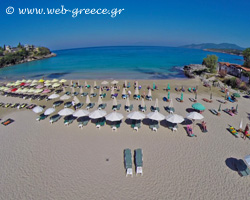
Ο Αδάμαντας Λαγκάδας, που βρίσκεται 500 μέτρα δεξιά από το κέντρο του χωριού, όπως κοιτάμε την θάλασσα και η άλλη είναι η παραλία του Παπικινού, 1000 μέτρα αριστερά μετά το συνοικισμό Νεοχώρι. Και οι δυο έχουν αμμώδη ακτή και δέντρα.
Ο Προβατάς και ο Άγιος Σώστης, είναι δυο ακόμα παραλίες που βρίσκονται 7 χιλιόμετρα από τον Αδάμαντα με κρυσταλλένια νερά, λευκόχρυση αμμουδιά και πολύχρωμα βράχια. Αξίζει να επισκεφθείτε τις δυο ορθόδοξες εκκλησίες του χωριού, την Αγία Τριάδα που είναι μια από τις σπουδαιότερες εκκλησίες του νησιού για την αρχιτεκτονική της κατασκευή που είναι σπάνια στην Ελλάδα, την Κοίμηση της Θεοτόκου, το μεταλλευτικό μουσείο που περιέχει εκθέματα και συλλογές ορυκτών και το εκκλησιαστικό μουσείο.
Ξεκινώντας από τον Αδάμαντα με κατεύθυνση την Πλάκα συναντάμε δυο πυκνοκατοικημένα χωριά, τον Τριοβάσαλο Πέρα Τριοβάσαλο Αγίου Γεωργίου. Αξίζει ακόμα να επισκεφθείτε το αρχαιολογικό μουσείο, το ναό της Γέννησης της Θεοτόκου, την καθολική εκκλησία της Παναγίας των Ρόδων που χτίστηκε από τον Λούη Μπρέστ το 1823 καθώς επίσης και το άγαλμα της Αφροδίτης , το οποίο είναι πιστό αντίγραφο και προέρχεται από τα εργαστήρια του μουσείου του Λούβρου.
Η περιοχή στην κορυφή του λόφου λέγεται Κάστρο και κατοικήθηκε από τα μεσαιωνικά χρόνια. Σήμερα είναι ακατοίκητο αλλά προσφέρει καταπληκτική θέα και ένα μαγευτικό ηλιοβασίλεμα. Φεύγοντας από την Πλάκα, θα συναντήσετε το χωριό Τρυπητή Μαντράκια, Φυροπόταμο, Αρετή, Φουρκοβούνι και Κλήμα που αποτελούν μικρά ψαράδικα λιμανάκια.
Ανάμεσα στην Πλάκα και στον Τριοβάσαλο βρίσκεται ένα άλλο μικρό χωριουδάκι οι Πλάκες, Αγίου Χαράλαμπου όπου υπάρχει μια από τις πιο παλιές εικόνες, η Παναγία η Αρκαδιώτισσα. Στο βόρειο τμήμα του νησιού, με κατεύθυνση τα Πολλώνια συναντάμε το Σαρακίνικο . Είναι ένας ηφαιστειακός σχηματισμός, που η απουσία της βλάστησης σε συνδυασμό με τα λευκά πετρώματα δίνει την εντύπωση σεληνιακού τοπίου. Στη συνέχεια συναντάμε τους οικισμούς Μύτακα, του Άγιος Κωνσταντίνος και Πάχαινα. Πανέμορφη είναι η αμμουδιά της Αλογόμαντρας στην περιοχή του Αγίου Κωνσταντίνου. Μετά την Πάχαινα, είναι ο γραφικός κολπίσκος του Κάπρου και το σπήλαιο του Παπάφραγκα. Στο ανοιχτό θαλάσσιο σπήλαιο μπορείτε να κατέβετε με σκαλοπάτια και να κολυμπήσετε στη μικρή αμμουδιά του.
Στα βορειοανατολικά της Μήλου, γύρω από έναν όμορφο κολπίσκο είναι χτισμένη η Πολλώνια, Αγίας Παρασκευής και του Αγίου Νικολάου. Από το μόλο των Πολλωνίων εκτελούνται καθημερινά δρομολόγια προς την Κίμωλο. Από εδώ μπορείτε να επισκεφθείτε τα Γλαρονήσια, ένα από τα πιο όμορφα δημιουργήματα της φύσης, τα οποία αποτελούνται από ένα σύνολο εξάπλευρων ράβδων που αναδύονται από την θάλασσα δημιουργώντας μια εικόνα ανεπανάληπτης ομορφιάς.
Στο νότιο τμήμα της Μήλου, βρίσκεται η Ζεφυρία, Παναγίας της Πορταριανής που οι κάτοικοι την τιμούν κάθε Δεκαπενταύγουστο με μεγάλο πανηγύρι. Λίγο μετά την Ζεφυρία, πλησιάζουμε στην Αγία Κυριακή που την θαυμάζουμε από ψηλά. Το Παλιοχώρι με τα πολύχρωμα βράχια, τις πλούσιες αμμουδιές με τα καθαρά και καταγάλανα νερά θα σας μείνει αλησμόνητο. Πριν στρίψουμε προς το Χάλακα, αριστερά μας βρίσκεται η παραλία του Τσιγκράδου και δεξιά μας η Φυριπλάκα με τα ρηχά γαλαζοπράσινα νερά της.
Στα νοτιοδυτικά του νησιού, βρίσκεται η περιοχή του Κήπου . Γέροντα, Κλέφτικου, Γέρακα και Θειωρυχείων. Αξίζει να επισκεφθείτε την εκκλησία της Παναγίας, που είναι χτισμένη από τα βυζαντινά χρόνια, πιθανόν από τον 5ο αιώνα μ.Χ. Αφού διασχίσουμε την παραλία του Γέροντα φτάνουμε στο ιστορικό μοναστήρι του Αϊ Γιάννη του Σιδεριανού. Ο χρόνος ίδρυσής του είναι άγνωστος, αλλά υπάρχουν έγγραφα που αναφέρουν από το 1582. Θα ήταν παράλειψη να μην αναφέρουμε την παραλία του, πόλο έλξης για τους λάτρεις της μοναξιάς.
Φεύγοντας από τον Άγιο Ιωάννη βρίσκεται το μοναστήρι της Αγίας Μαρίνας, η ωραία παραλία της Φατούρενας, η λιμνοθάλασσα Ριβάρι και το Εμπουριό. Συνεχίζοντας την διαδρομή αντικρίζουμε την μεγαλύτερη παραλία του νησιού, τη Χιβαδόλιμνη που οφείλει το όνομά της στη λιμνούλα που βρίσκεται κοντά της και είναι γεμάτη αχιβάδες.
Αξίζει να επισκεφθείτε τις πρωτοχριστιανικές Κατακόμβες νότια του χωριού Τρυπητή ,
Η Αφροδίτη της Μήλου
Στις 8 Απριλίου του 1820, ένας κάτοικος της Πλάκας, ο Γεώργιος Κεντρωτάς, σκάβοντας το χωράφι του στην περιοχή των αρχαίων, ανακαλύπτει μια μικρή σπηλιά σκεπασμένη με χώματα και μέσα σ’αυτήν το μισό άγαλμα της Αφροδίτης της Μήλου . Τυχαία βρίσκεται κοντά του ο Γάλλος αξιωματικός Ολιβιέ Βουτιέ που θαυμάζοντας το εύρημα πιέζει το χωρικό να ψάξει και για το υπόλοιπο μισό του αγάλματος. Μετά από λίγο το ανακαλύπτει και ο Βουτιέ καταλαβαίνοντας την αξία του, το ζωγραφίζει και ενημερώνει τον Λούη Μπρέστ, υποπρόξενο της Γαλλίας στη Μήλο, για να διαπραγματευθούν την αγορά του.
Έτσι κλείνεται μια πρώτη συμφωνία με τον Κεντρωτά και συγχρόνως ενημερώνεται ο πρεσβευτής της Γαλλίας στην Κωνσταντινούπολη, ο οποίος στέλνει τον γραμματέα του κόμη Ντε Μαρσελλύς για να το αγοράσει. Όταν όμως αυτός φθάνει στη Μήλο, ο Κεντρωτάς το έχει ήδη πουλήσει στον Νικόλαο Μουρούζη, πρίγκιπα της Μολδαβίας. Κάτω από δύσκολες συνθήκες και έπειτα από πολλές πιέσεις ο Κεντρωτάς τελικά πείθεται και το άγαλμα έρχεται στα χέρια του πρεσβευτή μαρκήσιου Ντε Ριβιέρ. Αυτός το χαρίζει στον βασιλιά της Γαλλίας Λουδοβίκο 18ο για να τοποθετηθεί αργότερα στο μουσείο του Λούβρου και να γίνει αντικείμενο θαυμασμού και έκτασης εκατομμυρίων ανθρώπων.
Από τότε πολλές μελέτες έγιναν και πολλά γράφτηκαν για το περίφημο αυτό αριστούργημα της τέχνης. Το όνομα όμως του γλύπτη, η χρονολογία που δημιουργήθηκε το άγαλμα, η θέση που βρέθηκε, αν ήταν σύμπλεγμα με τον θεό Άρη είναι μερικά από τα ερωτήματα που ζητούν απάντηση για το παγκοσμίου ακτινοβολίας αυτό έργο.
Με αεροπλάνο: Υπάρχουν καθημερινές πτήσεις από το αεροδρόμιο Ελευθέριος Βενιζέλος για Μήλο. Διάρκεια πτήσης: 30 λεπτά
Με καράβι : Υπάρχουν καθημερινά δρομολόγια από Πειραιά για Μήλο. Διάρκεια ταξιδιού: 5 ώρες περίπου. Υπάρχει επίσης σύνδεση και με το λιμάνι της Θεσσαλονίκης.
Με highspeed: Διεξάγονται καθημερινά δρομολόγια.
Σύνδεση με άλλα νησιά: Η Μήλος συνδέεται επίσης με Ανατολικές Κυκλάδες, Ίο, Σίκινο, Φολέγανδρο, Σαντορίνη, Κρήτη.
VIDEO
Γραφείο Έπαρχου
22870 21100
Tαχυδρομείο Mήλου
22870 21214
Δήμος Πλάκας
22870 21249
Tαχυδρομείο Aδάμαντα
22870 22288
Γραφείο Τουρισμού
22870 22445
Eθνική Tράπεζα
22870 22077
Αστυνομία Πλάκας
22870 21204
Eμπορική Tράπεζα
22870 22263
Τουριστική Αστυνομία Πλάκας
22870 21378
Aγροτική Tράπεζα
22870 22330
Λιμεναρχείο
22870 23360
Σταθμός ταξί Aδάμαντα
22870 22219
Tελωνείο
22870 22282
Σταθμός ταξί Tριοβασάλου
22870 21306
Oλυμπιακή Aεροπορία
22870 22380
Πρακτορείο τύπου
22870 22060
Aεροδρόμιο Μήλου
22870 22381
Kέντρο Yγείας Mήλου
22870 22701
O.T.E. Mήλου
22870 21599
Aγροτικό Iατρείο Aδάμαντα
22870 21755